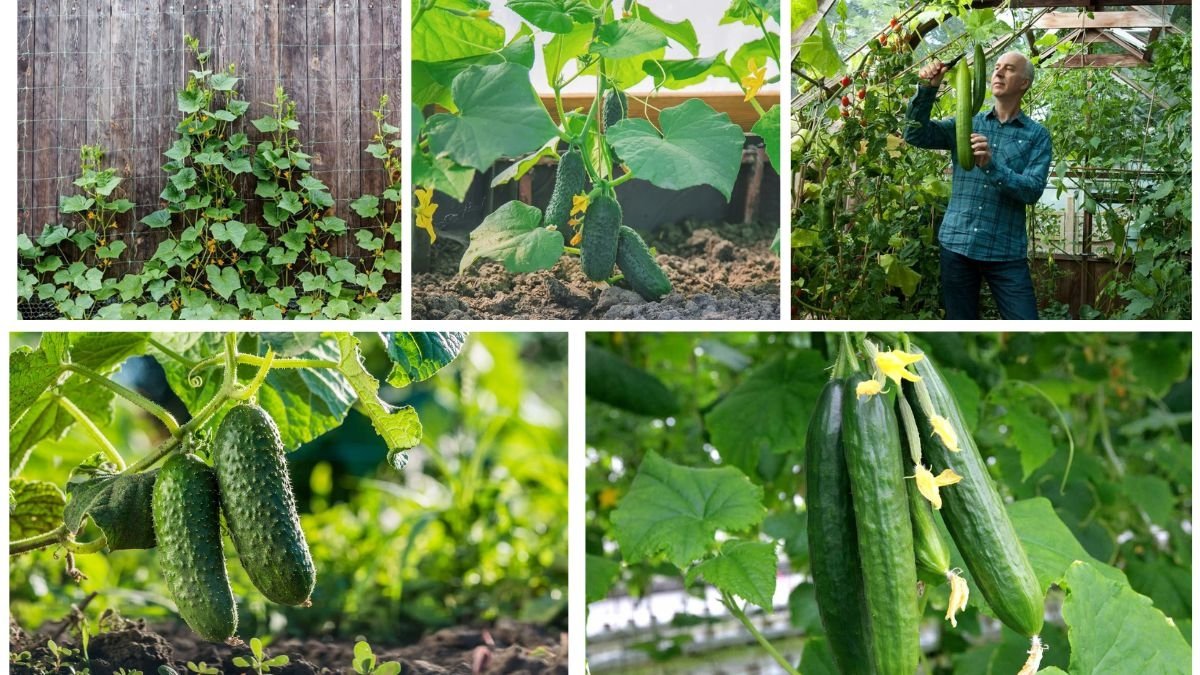
Cucumbers are one of the most rewarding vegetables to grow in a home garden. Crisp, refreshing, and versatile, they are perfect for salads, pickles, and snacks. Growing cucumbers is easier than you might think, and with the right care, they can provide a generous harvest throughout the growing season. Whether you’re a beginner gardener or someone looking to refine your skills, this step-by-step guide will help you grow cucumbers successfully in your garden.
Why Grow Cucumbers at Home?
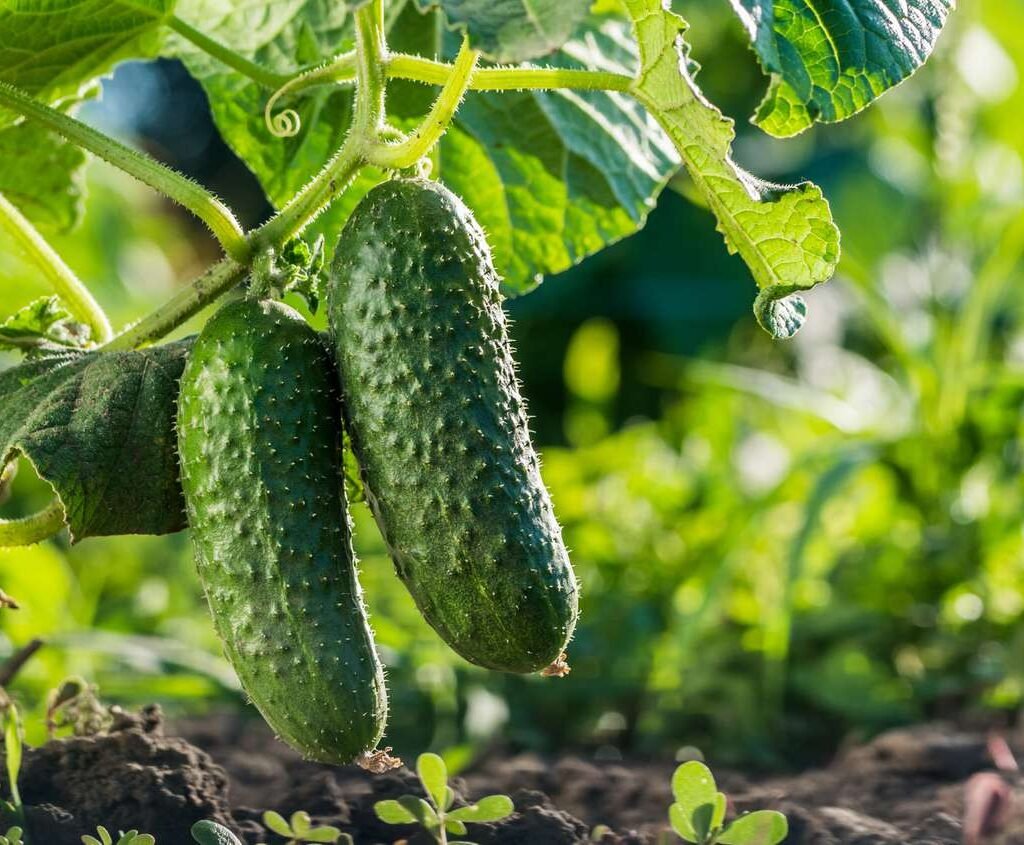
Before diving into the steps, let’s quickly understand why cucumbers are worth planting in your backyard:
- Fast growers: Cucumbers grow quickly, meaning you’ll see results within weeks.
- High yields: A single plant can produce dozens of cucumbers in one season.
- Nutritional value: Cucumbers are rich in water, vitamins K and C, potassium, and antioxidants.
- Versatile use: Fresh eating, pickling, juicing, or even beauty treatments — cucumbers have endless uses.
Step 1: Choosing the Right Cucumber Variety
Cucumbers come in many varieties, so it’s important to choose the one that best fits your needs and space.
- Slicing cucumbers – Large, smooth, and perfect for salads and sandwiches.
- Pickling cucumbers – Smaller, crunchy, and ideal for making pickles.
- Burpless cucumbers – Mild in flavor and easier to digest.
- Bush varieties – Compact, suitable for containers or small gardens.
- Climbing/vining cucumbers – Require trellises but save space and produce high yields.
Tip: If you have limited garden space, bush cucumbers or container-friendly varieties are your best choice.

Step 2: Preparing the Soil
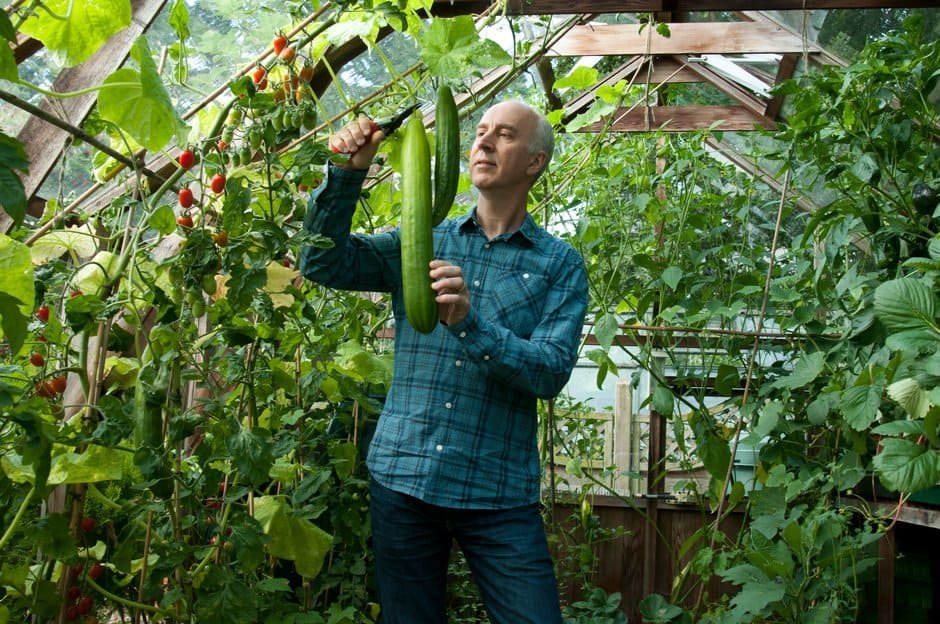
Cucumbers thrive in well-drained, fertile soil that is rich in organic matter.
- Soil pH: 6.0 to 7.0 is ideal.
- Preparation: Loosen the soil to about 12 inches deep and mix in compost or well-rotted manure.
- Drainage: Avoid soggy soil as cucumbers are prone to root rot. Raised beds or mounds work well.
Pro Tip: Adding organic compost improves soil fertility and helps cucumbers grow sweeter and juicier.
Step 3: Planting Cucumbers
Cucumbers are warm-season crops and cannot tolerate frost.
- Timing: Plant seeds outdoors 2 weeks after the last frost date, when soil is at least 65°F (18°C).
- Spacing:
- Bush varieties: 1–2 feet apart.
- Vining varieties: 3–4 feet apart, with a trellis for climbing.
- Depth: Sow seeds 1 inch deep.
- Transplants: If starting indoors, transplant seedlings carefully to avoid disturbing their roots.
Tip: Plant in mounds or hills of soil, placing 3–4 seeds per hill. This method helps improve drainage and warmth.

Step 4: Watering and Mulching
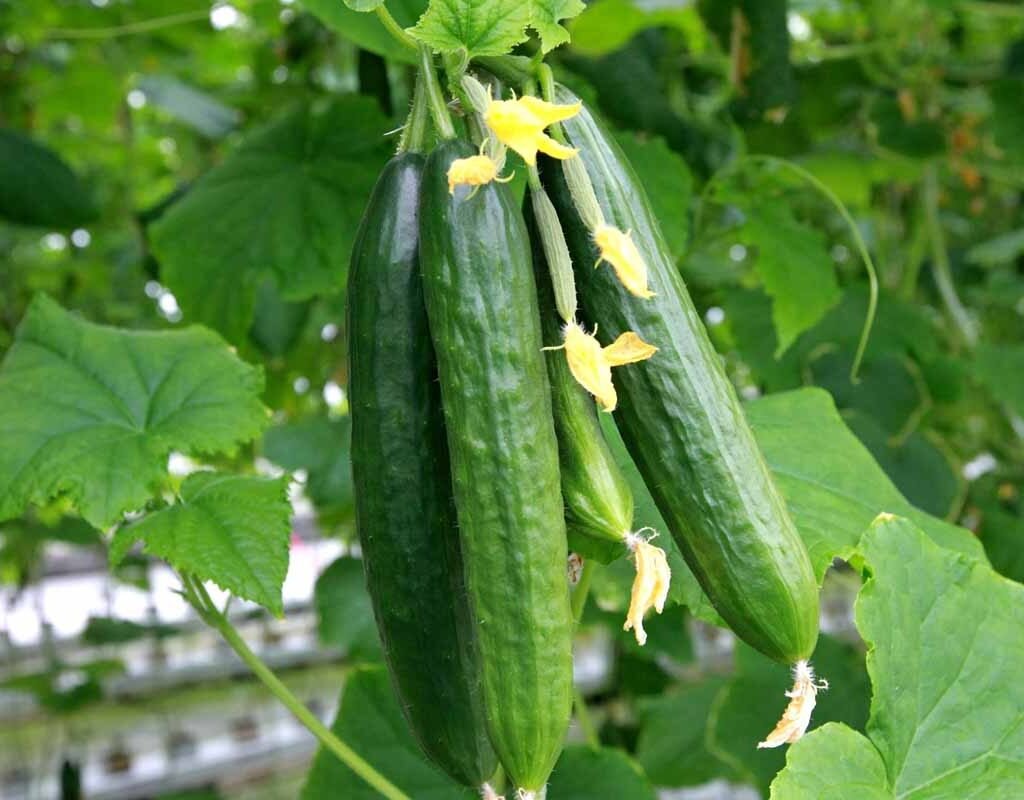
Cucumbers are made up of 95% water, so consistent watering is crucial.
- Watering schedule: 1–2 inches of water per week. Increase during hot, dry periods.
- Method: Water at the base, not on the leaves, to prevent fungal diseases.
- Mulching: Apply a 2–3 inch layer of straw, leaves, or compost around the plants to retain soil moisture and suppress weeds.
Pro Tip: Uneven watering can cause cucumbers to taste bitter. Keep the soil evenly moist for the best flavor.
Step 5: Supporting Your Plants
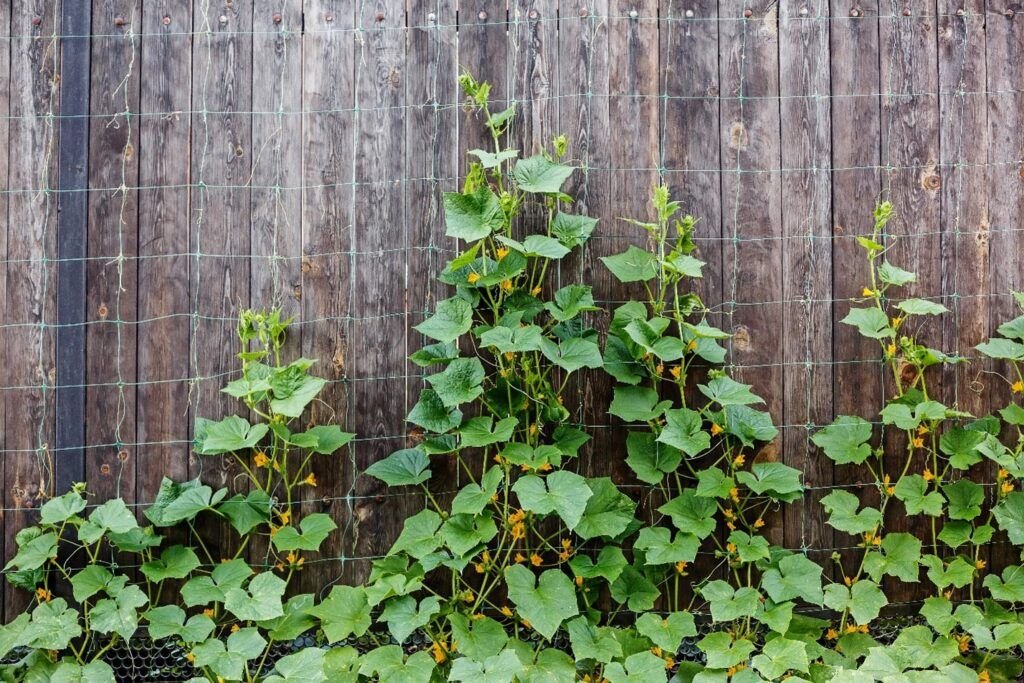
For vining cucumbers, providing support helps save space, improve airflow, and produce straighter fruits.
- Trellises: Wooden or metal trellises allow vines to climb vertically.
- Cages: Tomato cages also work well.
- Netting: A simple net tied between two poles is an easy solution.
Growing cucumbers vertically not only reduces pest problems but also makes harvesting easier.

Step 6: Fertilizing Cucumbers
Cucumbers are heavy feeders and benefit from regular fertilization.
- Before planting: Mix compost or balanced fertilizer (10-10-10) into the soil.
- During growth: Apply liquid fertilizer or compost tea every 2–3 weeks.
- Flowering stage: Switch to a fertilizer with more potassium and phosphorus to boost fruit production.
Tip: Avoid too much nitrogen, as it encourages leafy growth at the expense of fruits.
Step 7: Managing Pests and Diseases
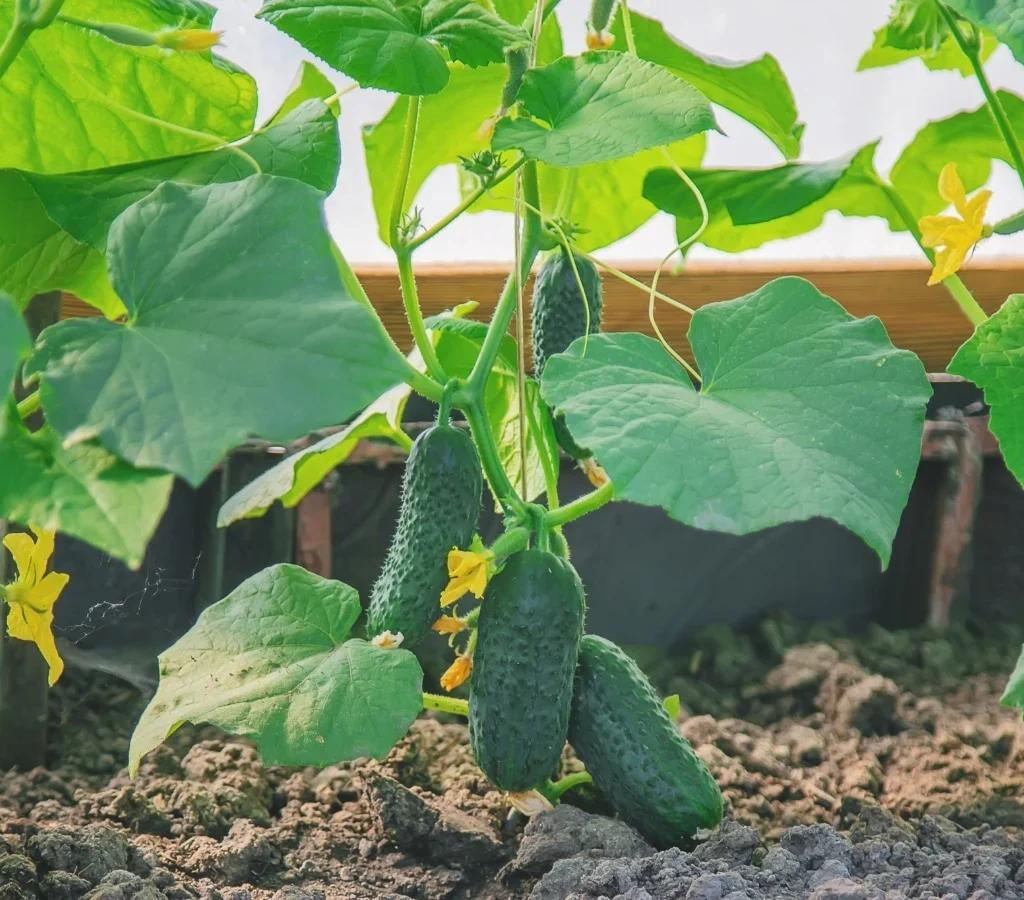
Like all garden plants, cucumbers can face pest and disease problems.
Common Pests:
- Cucumber beetles – Yellow-green beetles that chew leaves and spread bacterial wilt.
- Aphids – Tiny insects that suck plant sap.
- Spider mites – Cause yellow speckling on leaves.
Solutions:
- Handpick beetles or use floating row covers.
- Spray neem oil or insecticidal soap for aphids.
- Encourage beneficial insects like ladybugs.
Common Diseases:
- Powdery mildew – White coating on leaves.
- Downy mildew – Yellow spots on leaves.
- Bacterial wilt – Causes wilting of the entire plant.
Prevention: Space plants properly, water at the base, and rotate crops yearly.

Step 8: Harvesting Cucumbers
Harvesting at the right time ensures crisp, flavorful cucumbers.
- Timing: Cucumbers are ready to pick 50–70 days after planting, depending on the variety.
- Signs of readiness:
- Slicing cucumbers: 6–8 inches long.
- Pickling cucumbers: 2–4 inches long.
- Avoid yellowing, as it means overripe cucumbers.
- Harvesting method: Use scissors or a knife to cut cucumbers from the vine, leaving a short stem attached.
Tip: Check daily during harvest season. Regular picking encourages continuous production.
Step 9: Storing Cucumbers
Cucumbers are best eaten fresh but can also be stored or preserved.
- Fresh storage: Keep in the refrigerator for up to 1 week.
- Pickling: Preserve cucumbers in vinegar and spices for long-term use.
- Freezing: Not recommended as cucumbers lose their crispness.
Extra Tips for Successful Cucumber Growing
- Companion planting: Grow cucumbers alongside beans, peas, lettuce, and radishes. Avoid planting near potatoes or sage.
- Succession planting: Plant new seeds every 2–3 weeks for continuous harvests.
- Shade in hot climates: In very hot regions, provide partial shade to prevent bitterness.
- Pollination support: Encourage bees and pollinators by planting flowers nearby.
Conclusion
Growing cucumbers in your garden is a simple, rewarding process when done step by step. From selecting the right variety and preparing the soil to watering, fertilizing, and harvesting, each stage plays a vital role in ensuring a healthy and abundant harvest. With consistent care, you’ll enjoy crisp, delicious cucumbers throughout the season, fresh from your own backyard.

Whether you love them in salads, pickled in jars, or eaten straight off the vine, cucumbers are a must-have in any garden. So grab some seeds, prepare your garden bed, and get ready to enjoy the refreshing taste of homegrown cucumbers!

Leave A Comment