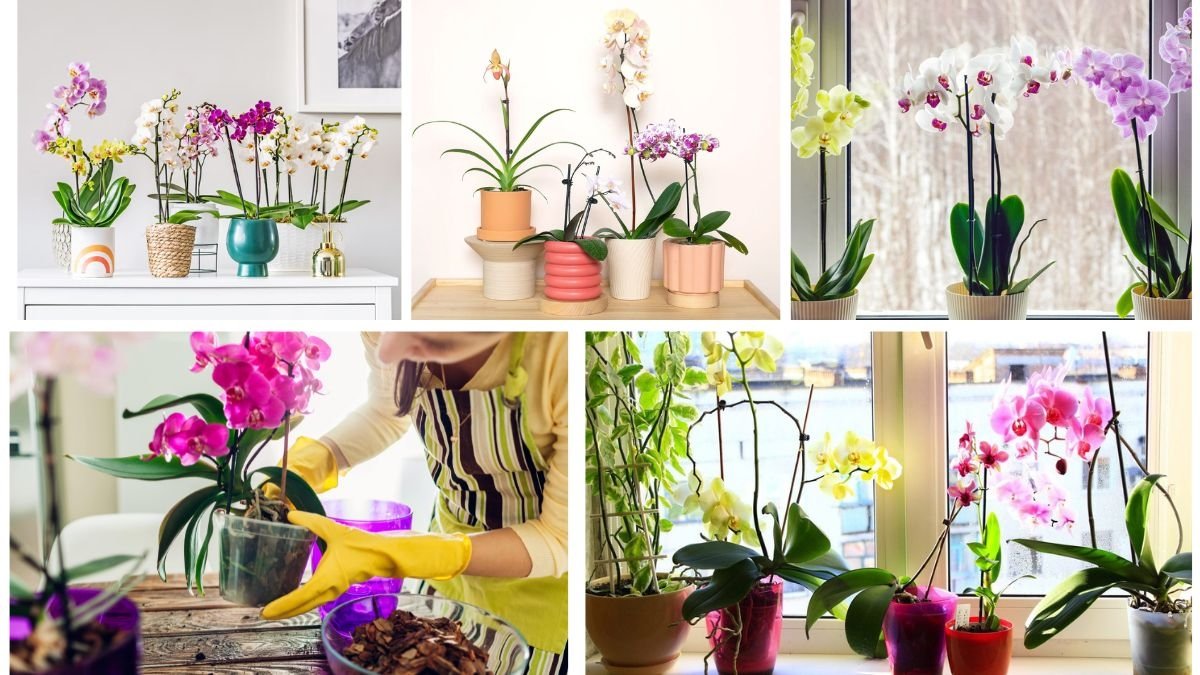
Orchids are among the most elegant and captivating flowers in the plant kingdom. Known for their striking blooms, exotic beauty, and long-lasting flowers, orchids have been cherished worldwide for centuries. Many people assume that orchids are difficult to care for, but the truth is that with the right knowledge and consistent care, these tropical beauties can thrive and reward you with continuous blooms year after year.
This article will guide you through everything you need to know about orchid care—watering, lighting, humidity, repotting, fertilizing, and even encouraging reblooming—so you can enjoy healthy plants and stunning flowers in your home or garden.
Understanding Orchids: Types and Basics
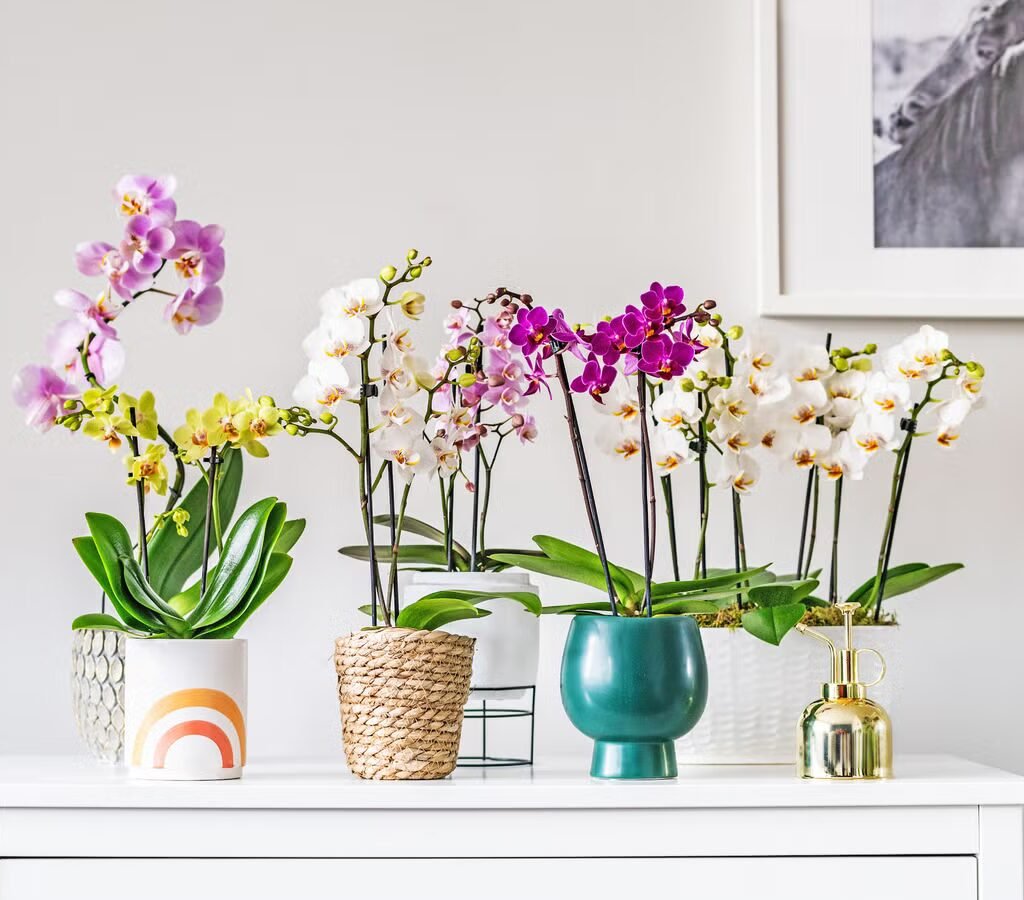
Before diving into care tips, it’s important to understand the type of orchid you have. Orchids belong to the family Orchidaceae, one of the largest plant families in the world, with over 25,000 species and hybrids. While each orchid type has its own specific needs, some of the most common orchids grown at home include:
- Phalaenopsis (Moth Orchid) – Popular and beginner-friendly; produces long-lasting blooms.
- Dendrobium – Known for tall canes and clusters of flowers.
- Cattleya – Famous for their large, fragrant blossoms.
- Oncidium (Dancing Lady Orchid) – Small, charming flowers resembling dancers.
- Vanda – Exotic orchids requiring bright light and high humidity.
Though care requirements vary slightly, the core principles of orchid care remain similar.

Light: The Key to Orchid Health
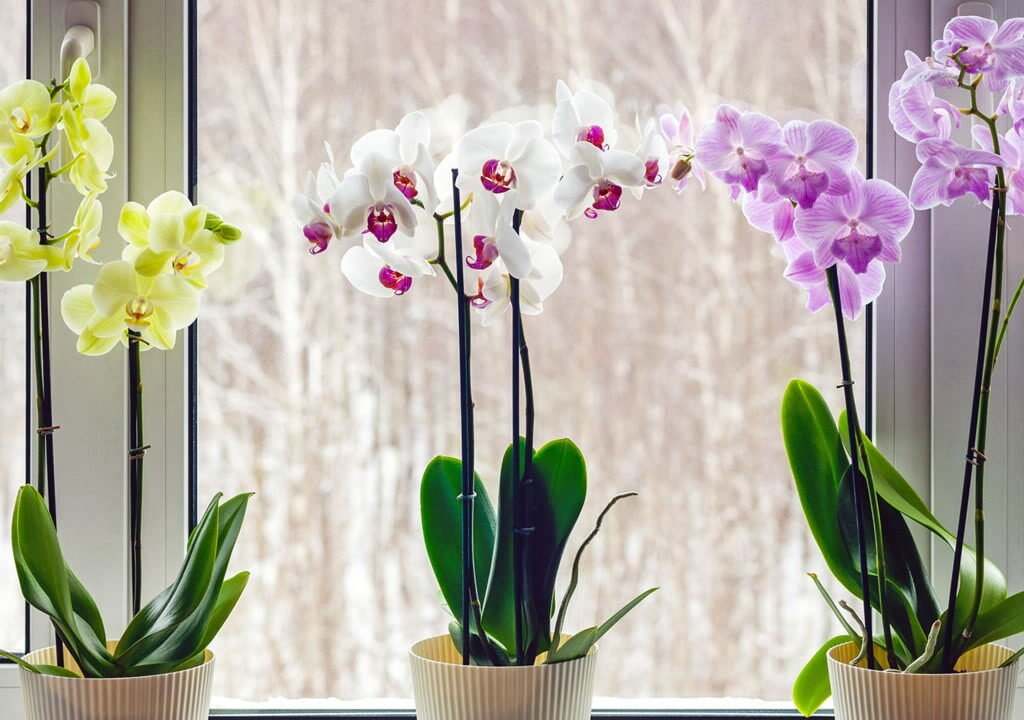
Light is one of the most crucial factors in orchid care. Too much sunlight can scorch the leaves, while too little can prevent blooms.
- Phalaenopsis and Paphiopedilum prefer medium to low light, making them perfect for indoor windowsills with filtered light.
- Cattleya, Dendrobium, and Oncidium enjoy bright, indirect light. An east or south-facing window is usually ideal.
- Vanda orchids thrive in very bright light, often grown outdoors in tropical regions.
Pro Tip: A healthy orchid leaf should be bright green. Dark green leaves usually mean insufficient light, while yellowing or reddish leaves indicate too much sunlight.
Watering Orchids Correctly
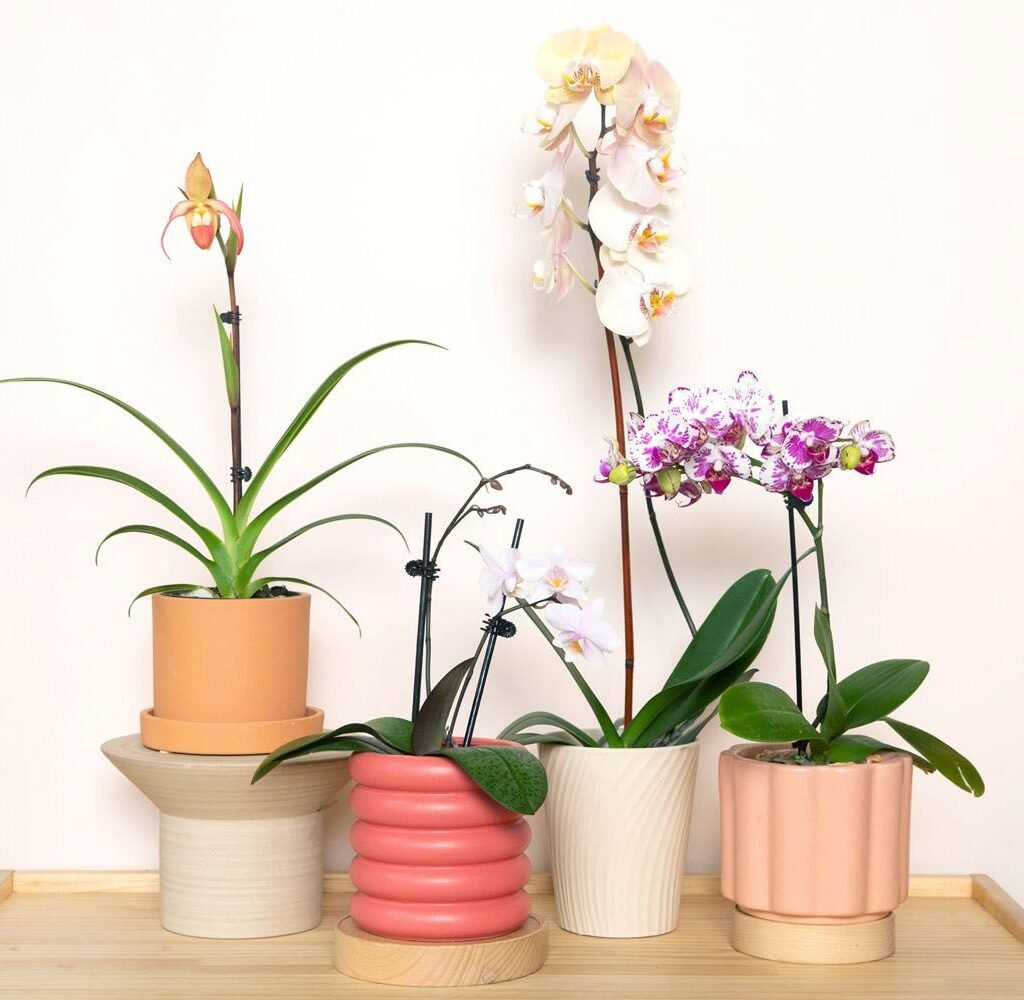
Watering mistakes are one of the most common reasons orchids fail. Unlike regular houseplants, orchids often grow on trees in nature, where their roots absorb water quickly but also dry out fast.
- General Rule: Water once a week during active growth, and every 10–14 days during dormancy.
- Always allow the roots to dry slightly between watering.
- Use room-temperature water and avoid letting water sit in the crown of the plant, as it may cause rot.
- Orchids prefer rainwater or distilled water over hard tap water.
Tip: Check the roots—healthy roots are plump and green when moist, silver-gray when dry. This is the best indicator of when to water.

Humidity and Airflow: Creating a Tropical Environment
Since orchids are tropical plants, they thrive in environments with humidity levels between 40–70%. Dry air, especially indoors during winter, can hinder their growth.
- Place orchids on a humidity tray (a shallow dish with water and pebbles).
- Group plants together to naturally increase humidity.
- Mist the leaves occasionally, but avoid soaking the flowers.
- Ensure good airflow to prevent fungal diseases. A small fan in the room can help.
Temperature: Keeping Orchids Comfortable
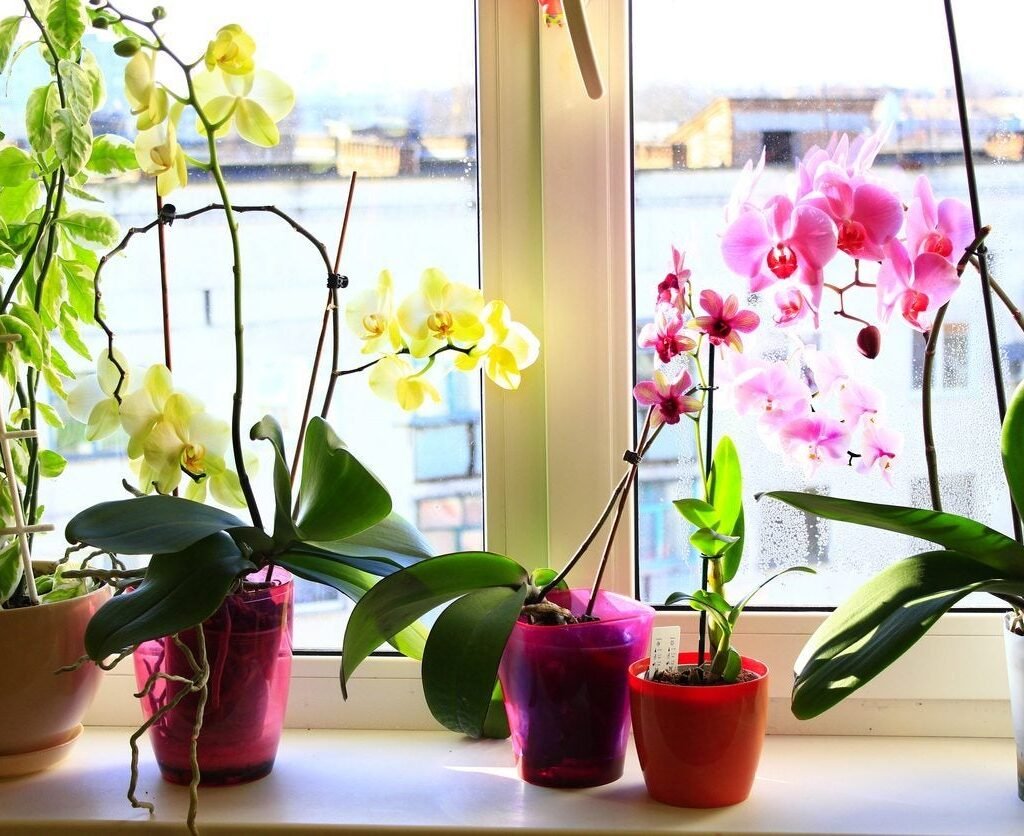
Most orchids prefer daytime temperatures between 65–75°F (18–24°C) and slightly cooler nights around 55–65°F (13–18°C). The difference between day and night temperature is important, as it often triggers flowering.
- Avoid placing orchids near heating vents, cold drafts, or air conditioners.
- A consistent environment mimicking their natural tropical habitat works best.
Fertilizing Orchids for Strong Blooms
Orchids are not heavy feeders, but they do need nutrients to thrive and bloom.
- Use a balanced orchid fertilizer (20-20-20) once a week in diluted form (“weakly, weekly” rule).
- During active growth (spring and summer), fertilize every week.
- In fall and winter, reduce to once or twice a month.
- Flush the potting medium with plain water monthly to prevent salt buildup.
Repotting Orchids: Refreshing Their Home
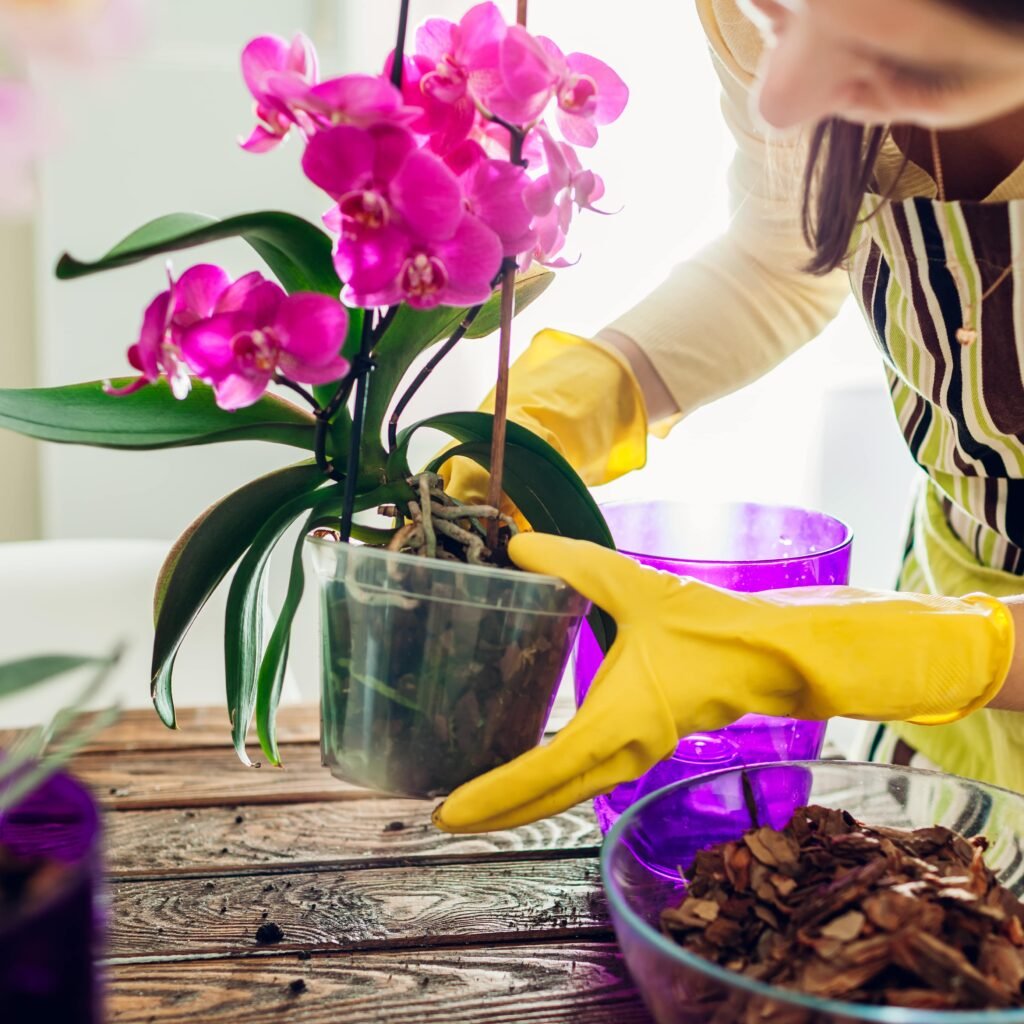
Orchids should be repotted every 1–2 years to prevent root rot and refresh their growing medium. Signs your orchid needs repotting include:

- Roots growing out of the pot.
- The potting medium breaking down into fine soil.
- Water not draining well.
Steps for Repotting:
- Choose a pot with good drainage holes.
- Use orchid-specific potting mix (usually bark, sphagnum moss, or a blend).
- Gently remove the orchid, trim dead roots, and place it in fresh medium.
- Avoid watering for a few days to allow cut roots to heal.
How to Keep Orchids Blooming
Getting orchids to bloom again is often the biggest challenge for beginners. Here’s how to encourage reblooming:
- Provide Proper Light: Ensure the plant receives enough indirect sunlight.
- Control Temperature: A drop in nighttime temperature helps trigger flower spikes.
- Don’t Over-Fertilize: Too much nitrogen promotes leaves over flowers.
- Pruning After Blooms: For Phalaenopsis, cut the flower spike just above the second node (small bump) to encourage side shoots.
Patience is key—some orchids may take months to rebloom, but with the right care, they’ll reward you beautifully.
Common Orchid Problems and Solutions
Even with the best care, orchids sometimes face challenges. Here are common problems and how to fix them:

- Yellowing Leaves – Often caused by too much light or overwatering. Adjust care accordingly.
- Root Rot – Due to poor drainage or excess water. Repot with fresh medium and trim affected roots.
- No Blooms – Usually from insufficient light or nutrients. Relocate to a brighter spot and fertilize properly.
- Pests (aphids, scale, mealybugs) – Wipe leaves with insecticidal soap or neem oil.
Seasonal Orchid Care
Caring for orchids year-round ensures they continue to thrive:
- Spring & Summer: Orchids are in active growth. Increase watering, provide fertilizer weekly, and give bright indirect light.
- Fall: Begin reducing watering and fertilizer. Cooler nights help initiate flower spikes.
- Winter: Orchids may rest. Reduce watering, maintain humidity, and place them in the brightest indoor location.
Why Orchids Are Worth the Effort
Despite the reputation for being “finicky,” orchids are actually resilient plants when cared for correctly. Their beauty, exotic blooms, and ability to rebloom make them rewarding companions for both beginner and experienced gardeners. With proper attention to light, water, humidity, and nutrition, your orchids will not only survive but thrive, producing spectacular flowers for months at a time.
Conclusion
Orchids are living works of art, and learning how to care for them properly is the key to enjoying their beauty year after year. By understanding their unique needs—light, watering, humidity, fertilizing, and repotting—you’ll be able to grow orchids that bloom reliably and bring elegance to your home. With patience and practice, you’ll discover that orchids aren’t difficult at all—they just need a bit of extra love and attention.
So, start today! Follow these tips, create a nurturing environment, and soon you’ll be enjoying a collection of orchids that bloom endlessly, adding charm and serenity to your living space.


Leave A Comment