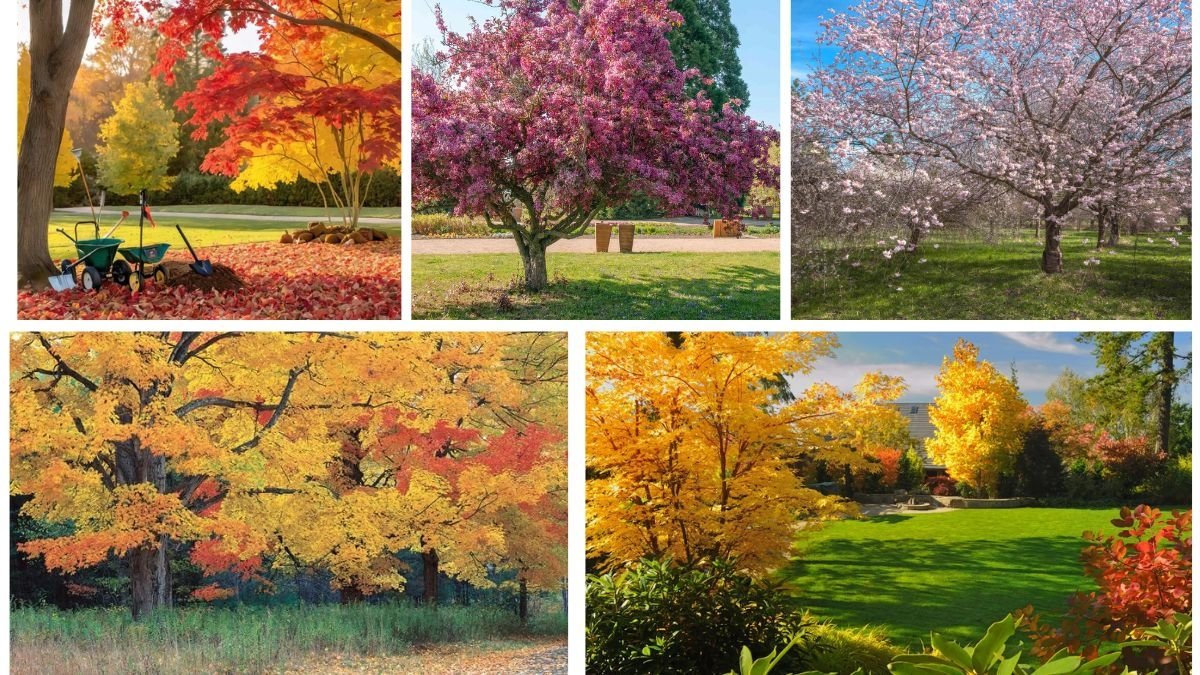
Creating a striking landscape in a small yard or garden requires careful plant selection. While flowers often steal the show in spring and summer, foliage trees provide year-round color, texture, and structure. For tiny landscapes, choosing trees with vibrant, varied, and manageable leaves can dramatically enhance visual appeal without overwhelming limited space.
This article explores colorful foliage trees ideal for compact landscapes, their care requirements, and tips for maximizing beauty in small garden areas.
Why Choose Colorful Foliage Trees for Small Spaces?
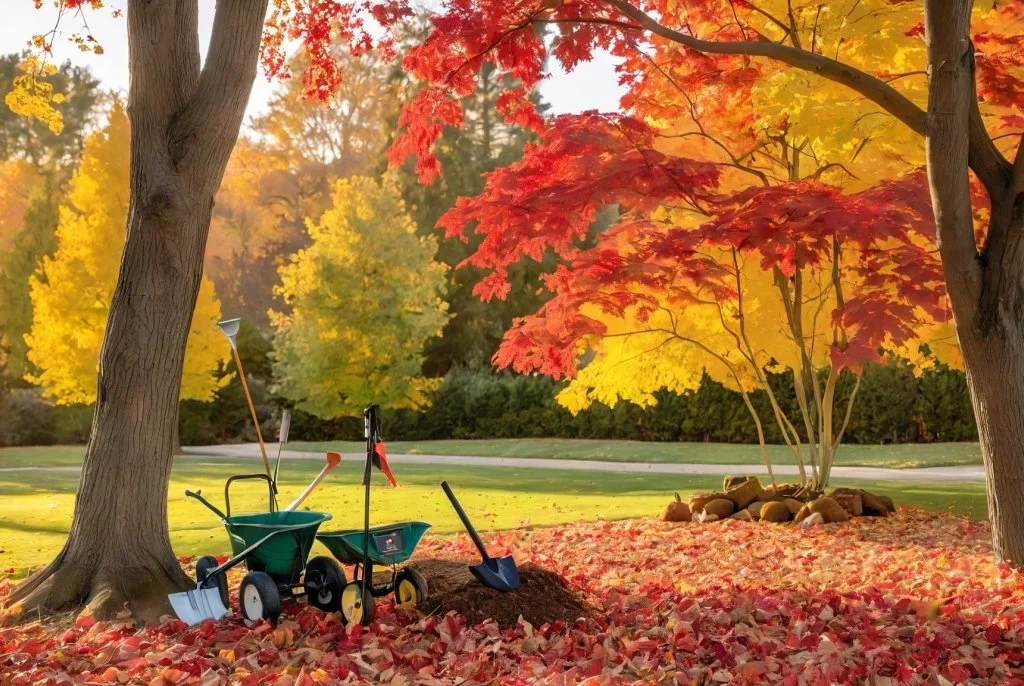
Even in limited spaces, trees play an essential role in design. Choosing colorful foliage trees brings multiple benefits:
- Year-Round Visual Interest: Leaves change with the seasons, providing consistent beauty.
- Compact Size: Many ornamental trees stay small and fit well in tight gardens or patios.
- Shade and Shelter: Even small trees offer light shade, privacy, or wind protection.
- Low Maintenance: Foliage trees often require less pruning and care than flowering trees.
- Texture and Contrast: Leaf color and shape add depth, complementing shrubs, perennials, or ground covers.
By selecting the right varieties, you can create a dynamic, colorful landscape without sacrificing space or functionality.
Factors to Consider When Selecting Trees for Tiny Landscapes
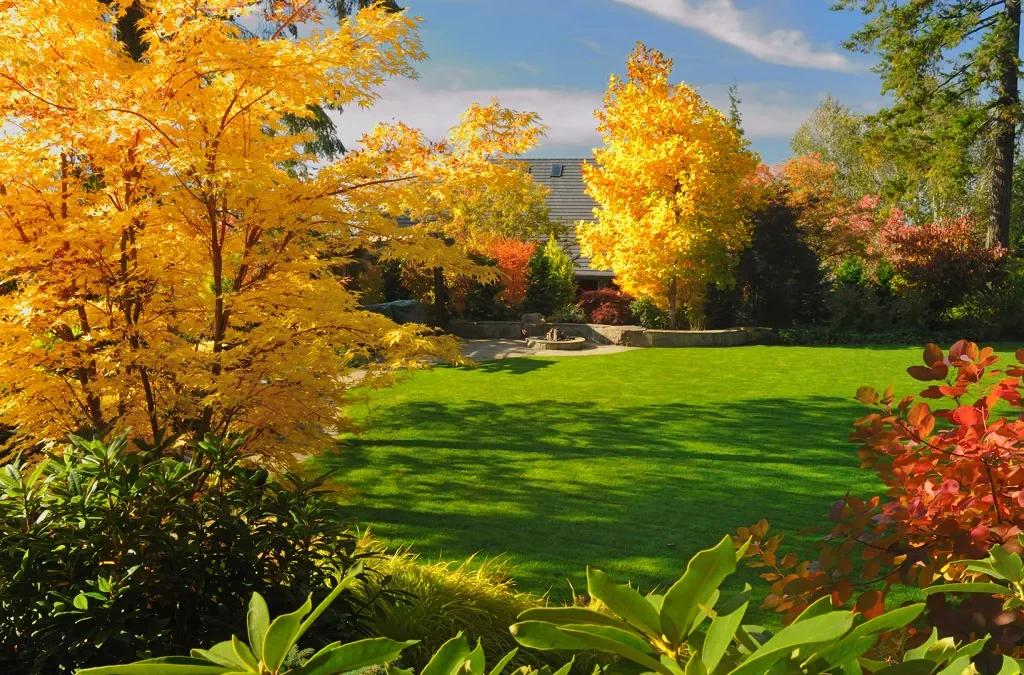
When choosing trees with vibrant foliage for small gardens, consider:
1. Mature Size
- Check the expected height and spread. Small yards benefit from trees under 15 feet.
- Avoid varieties with aggressive roots that could damage foundations or sidewalks.
2. Climate and Hardiness Zone
- Choose species that thrive in your local climate. Check USDA hardiness zones or equivalent regional guides.
3. Sunlight Requirements
- Some foliage trees develop better colors in full sun, while others tolerate partial shade.
4. Soil Conditions
- Well-drained, fertile soil generally supports vibrant foliage. Adjust soil pH based on tree preferences.
5. Maintenance Needs
- Consider pruning, fertilization, and watering requirements. Low-maintenance trees are ideal for busy homeowners.
Best Colorful Foliage Trees for Tiny Landscapes
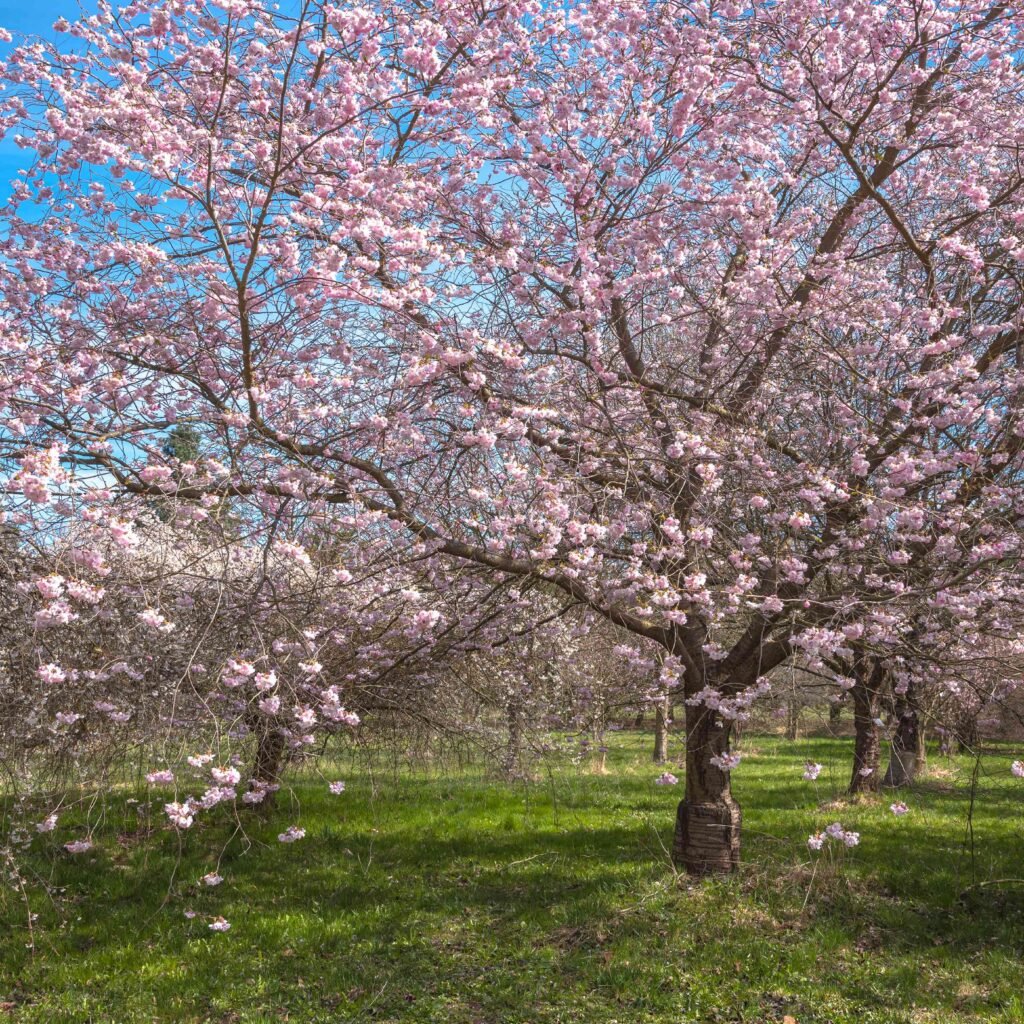
Here are some of the most striking small trees that deliver vibrant leaf color and thrive in compact spaces:
1. Japanese Maple (Acer palmatum)
- Height/Spread: 6–15 feet, depending on the cultivar
- Foliage Colors: Deep red, burgundy, green, orange, and golden hues, often changing with seasons
- Why It Works: Offers dramatic seasonal color in spring and fall; many dwarf cultivars suit small spaces.
- Care Tips: Partial shade, moist well-drained soil, protection from strong winds. Excellent as a focal point near patios or entryways.
2. Dogwood (Cornus florida dwarf varieties)
- Height/Spread: 10–15 feet
- Foliage Colors: Green in summer, vibrant red to purple in fall
- Why It Works: Combines spring blossoms with striking autumn leaves; small stature fits tiny landscapes.
- Care Tips: Prefers rich, acidic, well-draining soil and partial shade.
3. Redbud (Cercis canadensis ‘Forest Pansy’)
- Height/Spread: 12–20 feet, but smaller cultivars exist for tight spaces
- Foliage Colors: Dark purple to burgundy leaves that turn yellow in fall
- Why It Works: Offers heart-shaped leaves and seasonal color, complementing flowering shrubs and perennials.
- Care Tips: Full sun to partial shade, adaptable to various soils.
4. Crape Myrtle (Lagerstroemia indica dwarf varieties)
- Height/Spread: 8–15 feet
- Foliage Colors: Green summer leaves turn red, orange, or purple in fall
- Why It Works: Combines colorful foliage with long-lasting summer flowers and attractive bark, perfect for multi-season interest.
- Care Tips: Full sun and well-drained soil; drought-tolerant once established.
5. Smoke Tree (Cotinus coggygria ‘Royal Purple’)
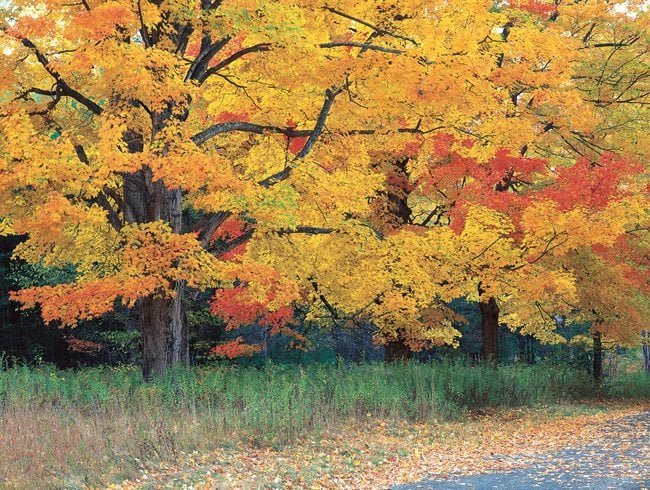
- Height/Spread: 8–12 feet
- Foliage Colors: Deep purple leaves, golden-orange fall colors
- Why It Works: Eye-catching foliage and feathery summer blooms create texture and drama.
- Care Tips: Full sun, tolerates dry soil, minimal pruning required.
6. Japanese Stewartia (Stewartia pseudocamellia)
- Height/Spread: 10–15 feet
- Foliage Colors: Dark green summer leaves turning orange-red in autumn
- Why It Works: Elegant branching structure, exfoliating bark, and fall foliage make it a compact ornamental masterpiece.
- Care Tips: Partial shade, acidic, well-draining soil, regular watering.
7. Cornelian Cherry Dogwood (Cornus mas dwarf forms)
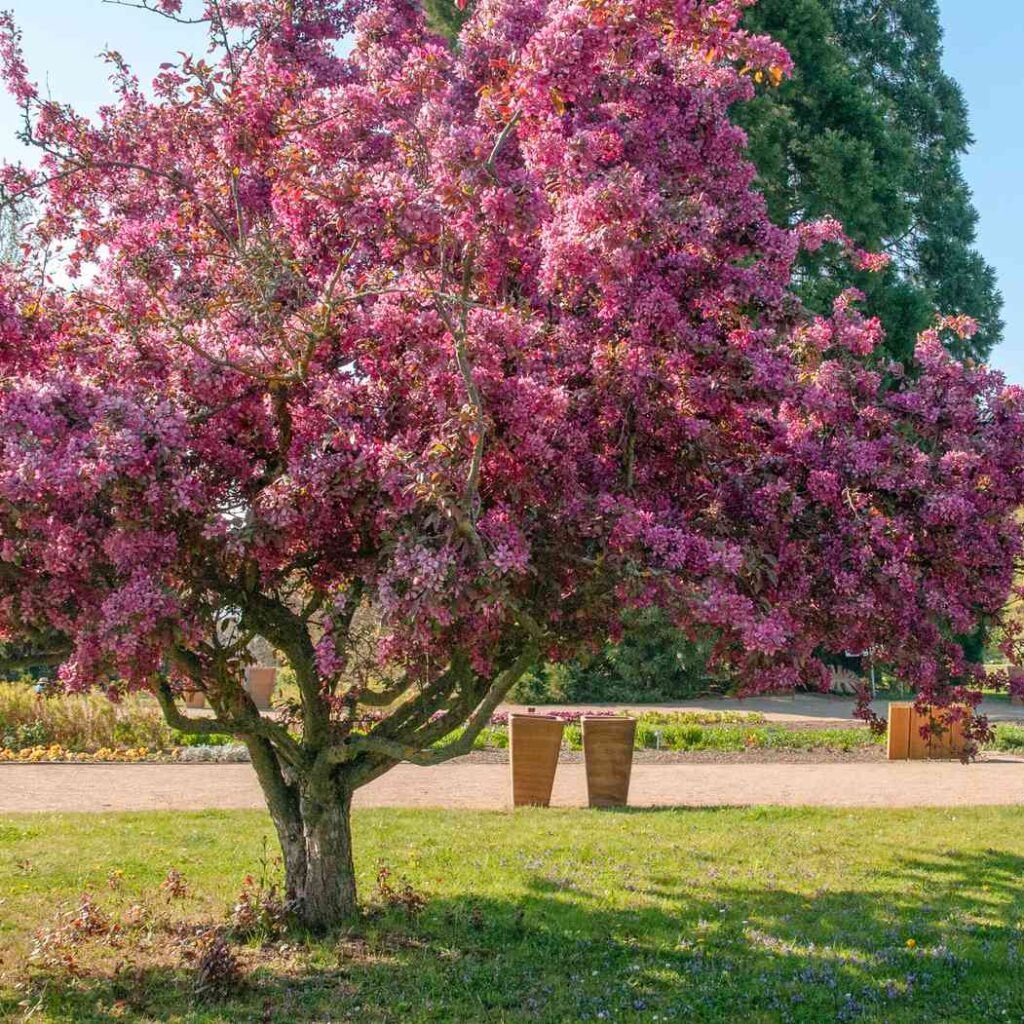
- Height/Spread: 8–12 feet
- Foliage Colors: Green leaves turn golden yellow to red in fall
- Why It Works: Compact, reliable, and provides multi-season interest with spring flowers, summer berries, and fall foliage.
- Care Tips: Full sun to partial shade; tolerates a variety of soil types.
8. Mapleleaf Viburnum (Viburnum acerifolium)
- Height/Spread: 6–10 feet
- Foliage Colors: Dark green in summer, bright red, orange, and purple in fall
- Why It Works: Dense, rounded canopy, excellent for borders or small garden beds.
- Care Tips: Full sun to partial shade; adaptable to many soils.
9. Dwarf Honeylocust (Gleditsia triacanthos ‘Shademaster’ dwarf forms)
- Height/Spread: 12–15 feet
- Foliage Colors: Light green leaves turning golden yellow in autumn
- Why It Works: Offers dappled shade without blocking sunlight completely; delicate foliage adds texture.
- Care Tips: Full sun, well-drained soil, drought-tolerant.
10. Coral Bark Maple (Acer palmatum var. matsumurae)
- Height/Spread: 10–15 feet
- Foliage Colors: Deep green summer leaves, brilliant red to orange in fall; striking coral-red winter bark
- Why It Works: Multi-seasonal interest, including unique bark color for winter landscapes.
- Care Tips: Partial shade, moist but well-drained soil.
Tips for Maximizing Foliage Color in Small Landscapes
- Sunlight Matters: Many foliage trees develop richer colors in full sun. Partial shade may mute fall and summer hues.
- Soil Health: Fertile, well-draining soil enhances leaf vibrancy. Amend with compost to maintain nutrients.
- Watering: Consistent watering supports healthy, vivid leaves. Avoid both drought stress and waterlogging.
- Fertilization: Use balanced fertilizers in spring and summer to boost foliage growth and color intensity.
- Pruning for Shape: Light pruning maintains size and encourages dense, colorful canopies without overwhelming the space.
- Layered Planting: Combine colorful foliage trees with shrubs, ground covers, and perennials to create depth, contrast, and continuous seasonal interest.
Design Ideas for Tiny Landscapes
- Focal Points: Place a Japanese maple or smoke tree as the centerpiece of a small yard.
- Corner Accent: Use colorful small trees in corners to visually expand the space.
- Container Planting: Dwarf varieties in pots can be moved seasonally or used on patios and terraces.
- Borders and Pathways: Line small trees along walkways for color and structure.
- Multi-Season Garden: Mix trees with early spring blooms, summer flowers, and winter evergreens for constant visual appeal.
Conclusion
Colorful foliage trees offer incredible design potential for tiny landscapes. From the fiery reds of Japanese maples and smoke trees to the golden yellows of dwarf honeylocusts and dogwoods, these trees provide year-round interest without overwhelming compact spaces. By carefully selecting the right species, considering sunlight, soil, and maintenance needs, homeowners can create a vibrant, layered, and dynamic garden even in limited areas.
Tiny landscapes can benefit immensely from well-chosen foliage trees. They provide structure, texture, shade, and color while remaining proportionate to the space. With thoughtful placement, proper care, and attention to seasonal changes, these small trees prove that you don’t need a sprawling garden to enjoy big beauty.

Leave A Comment