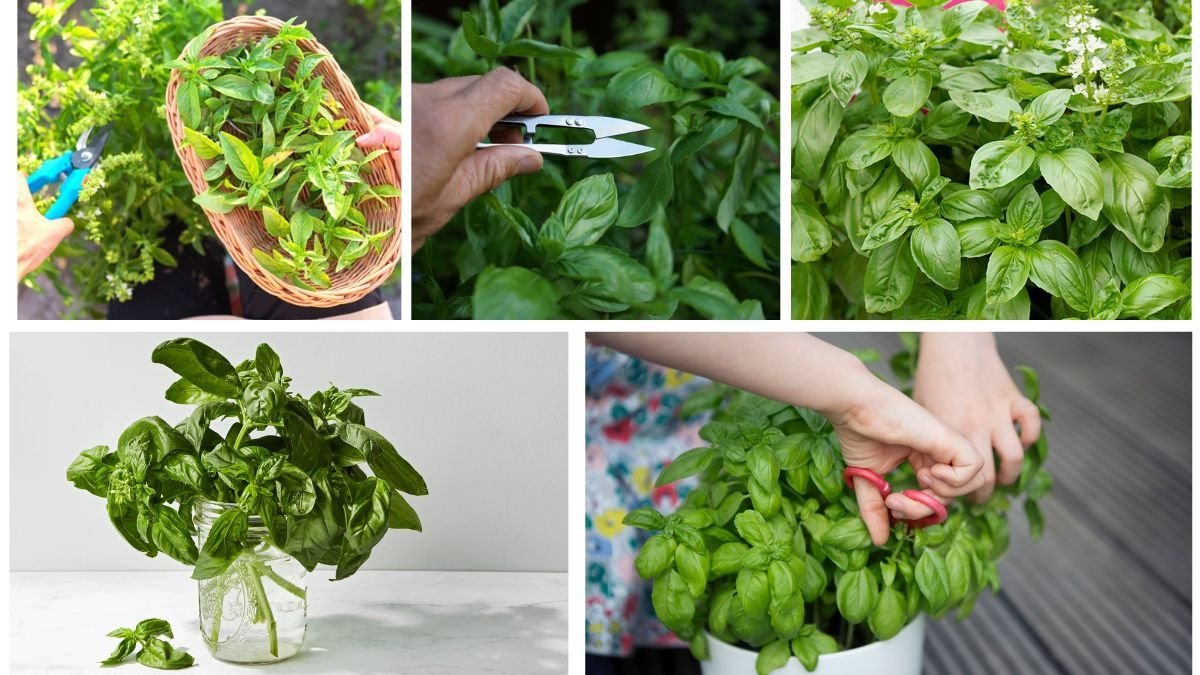
Basil (Ocimum basilicum) is one of the most beloved herbs in the world. From Italian pastas and pizzas to Thai curries and refreshing summer drinks, basil adds a unique aroma and flavor that instantly elevates any dish. For home gardeners, growing basil is easy and rewarding—but the real secret to enjoying basil at its best lies in harvesting it the right way.
Harvesting basil may seem as simple as plucking a few leaves, but improper harvesting can lead to bitter-tasting leaves, a weakened plant, and a shorter lifespan. On the other hand, harvesting correctly encourages the plant to grow bushier, produce more leaves, and maintain its signature sweet, fragrant flavor.
In this article, we’ll explore when, how, and how often to harvest basil so you can enjoy the freshest, most flavorful leaves all season long.

Why Harvesting Basil the Right Way Matters
Many beginner gardeners are surprised to learn that how you harvest basil directly impacts its growth and taste. Here’s why proper harvesting is essential:
- Enhances Flavor: Young, tender basil leaves contain the highest concentration of essential oils, which give basil its sweet and aromatic flavor.
- Encourages Growth: Harvesting correctly stimulates branching, leading to a fuller, bushier plant instead of one tall, leggy stem.
- Prevents Bolting: Regular harvesting discourages the plant from producing flowers too soon. Flowering reduces the flavor and tenderness of basil leaves.
- Extends Harvest Season: With proper care, a single basil plant can provide fresh leaves throughout the growing season.
When to Harvest Basil for Best Flavor
Timing is everything when it comes to basil.
- First Harvest: Begin harvesting when the plant is at least 6–8 inches tall and has developed 6–8 healthy leaves. This usually occurs about 3–4 weeks after planting.
- Best Time of Day: Harvest basil in the morning, after the dew has dried but before the sun is at its peak. This is when essential oil concentration in the leaves is highest, giving you maximum flavor and aroma.
- Leaf Age: Young, tender leaves (near the top of the plant) are more flavorful and aromatic than older, lower leaves.
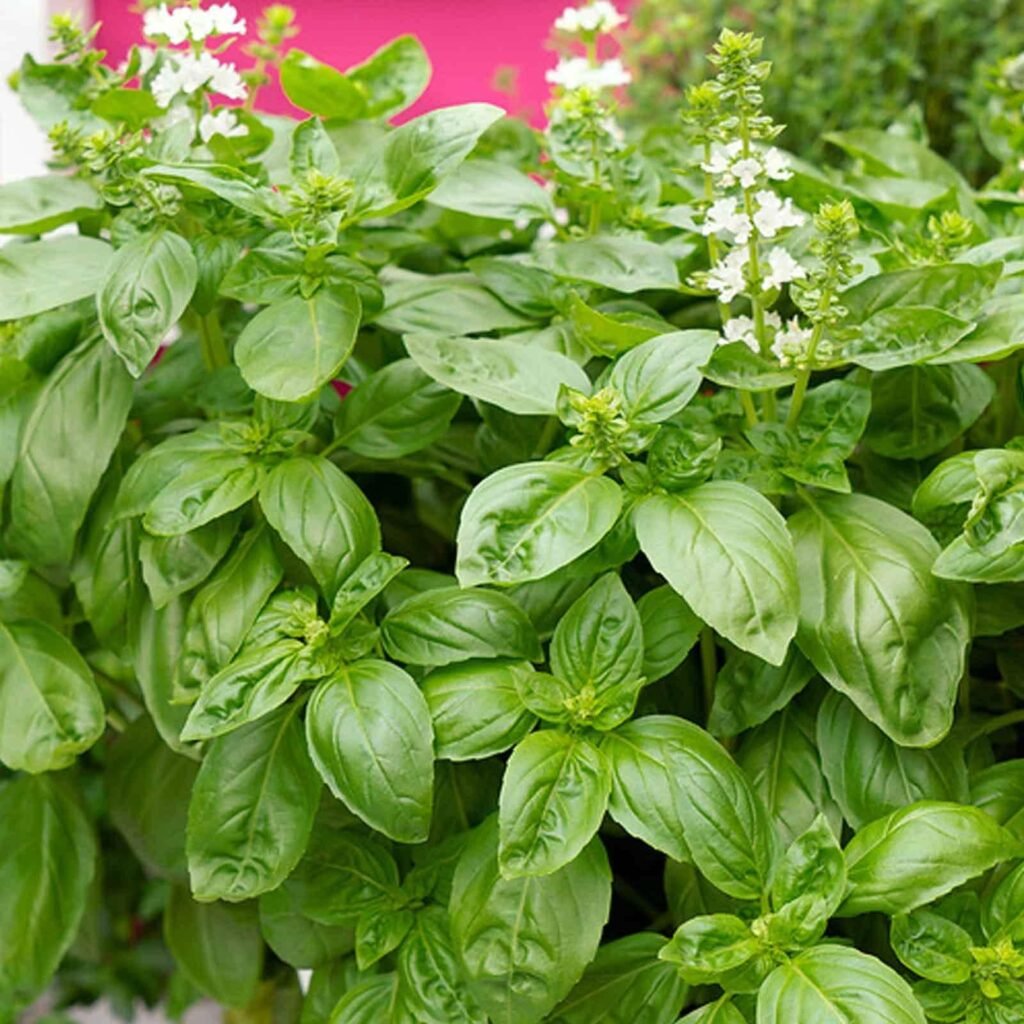
- Avoid Flowering Stage: Once basil starts to flower, leaves may turn bitter. Pinch off flower buds as soon as they appear to preserve leaf quality.
Tools You Need
While basil can be harvested simply by pinching leaves with your fingers, using the right tools can help keep the plant healthy:
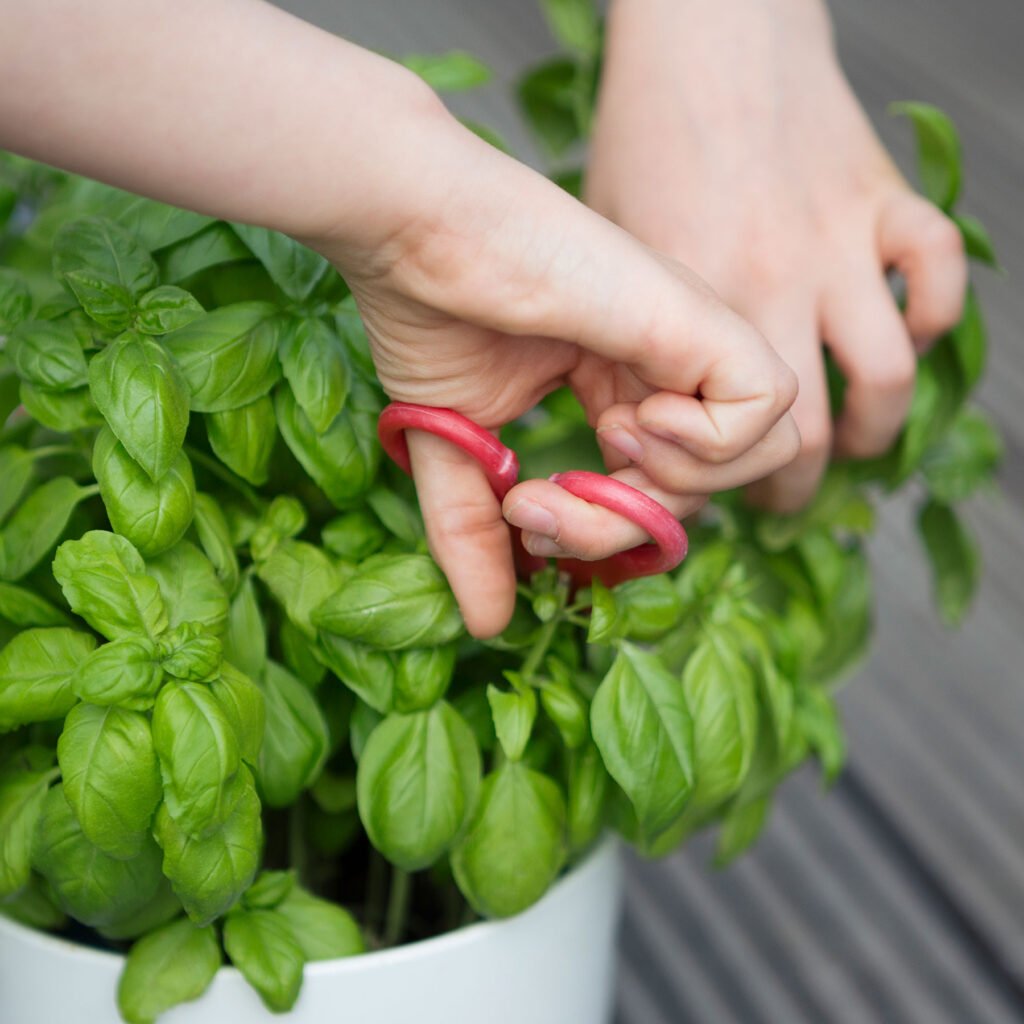
- Clean, Sharp Scissors or Pruning Shears: For cutting stems without tearing.
- Your Hands: For gently pinching off young leaves and flower buds.
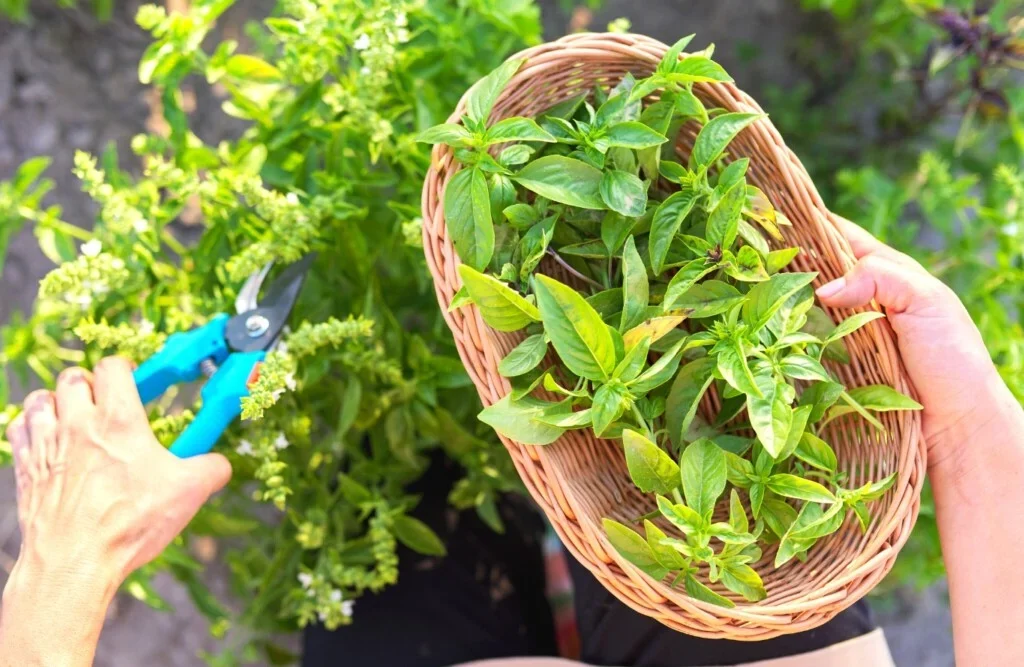
- Harvesting Basket: To collect your leaves without crushing them.
Always sanitize scissors or shears before use to avoid transferring diseases between plants.
Step-by-Step Guide to Harvesting Basil the Right Way
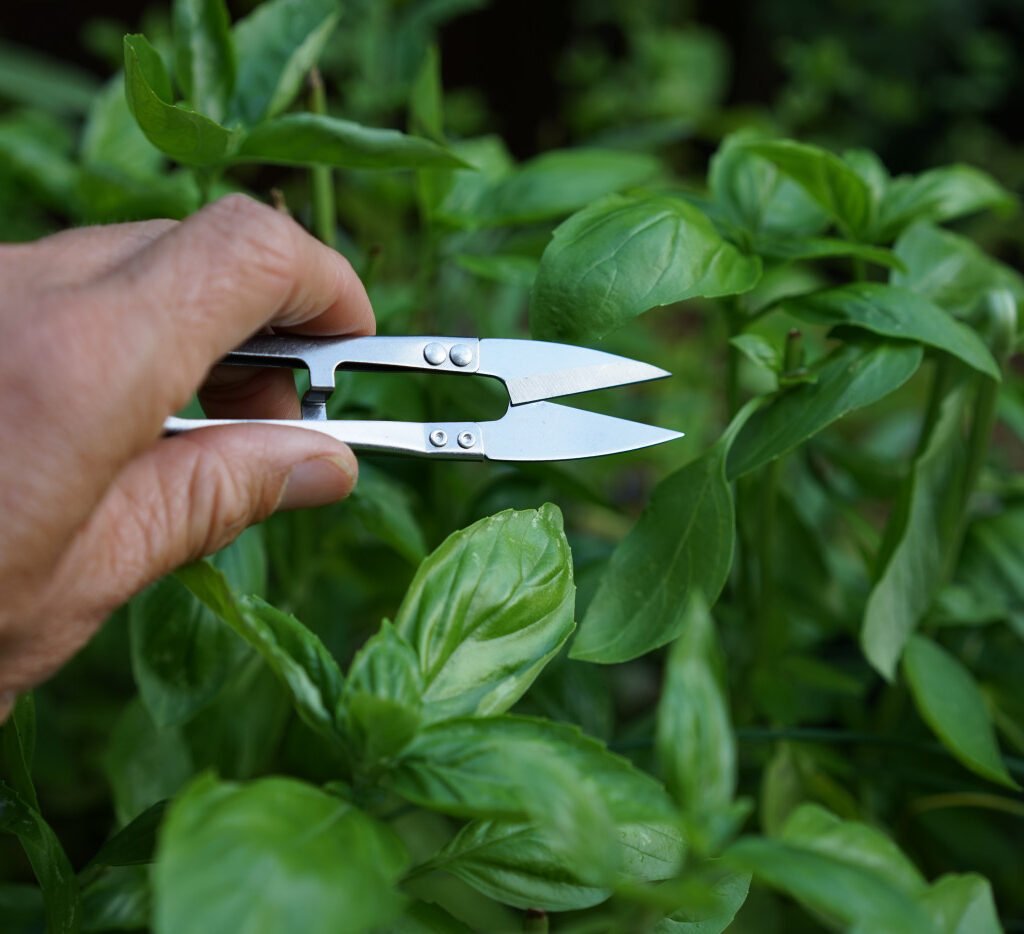
1. Identify the Right Spot to Cut
- Look for a set of leaves where two new small leaves are growing at the junction (called a “leaf node”).
- Cut or pinch the stem just above this node.
This encourages the plant to branch out at that point, producing two new stems instead of one.
2. Pinch, Don’t Strip
- Avoid stripping individual leaves from the lower stem unless absolutely necessary.
- Instead, harvest by cutting stems, which stimulates growth and keeps the plant balanced.
3. Take No More Than One-Third of the Plant
- Harvest up to one-third of the plant at a time.
- Taking too many leaves can shock the plant and slow regrowth.
4. Regular Harvesting
- Harvest basil every 1–2 weeks to keep the plant productive.
- Frequent harvesting prevents the plant from becoming tall and spindly.
5. Remove Flower Buds Immediately
- As soon as you see flower buds forming, pinch them off.
- This redirects the plant’s energy into leaf production rather than seed formation.
How Often Should You Harvest Basil?
- Light Harvesting: Pinch off a few leaves as needed for cooking. This can be done daily without harm.
- Heavy Harvesting: For larger quantities, harvest stems every 7–10 days, allowing time for regrowth.
- Peak Growing Season: During warm months, basil grows rapidly, so you may harvest more frequently.
Post-Harvest Handling for Best Flavor
Proper handling after harvest ensures that basil retains its aroma and taste.

Washing
- Gently rinse basil leaves in cool water to remove dust or insects.
- Pat dry with a soft cloth or use a salad spinner to prevent bruising.
Storing Fresh Basil
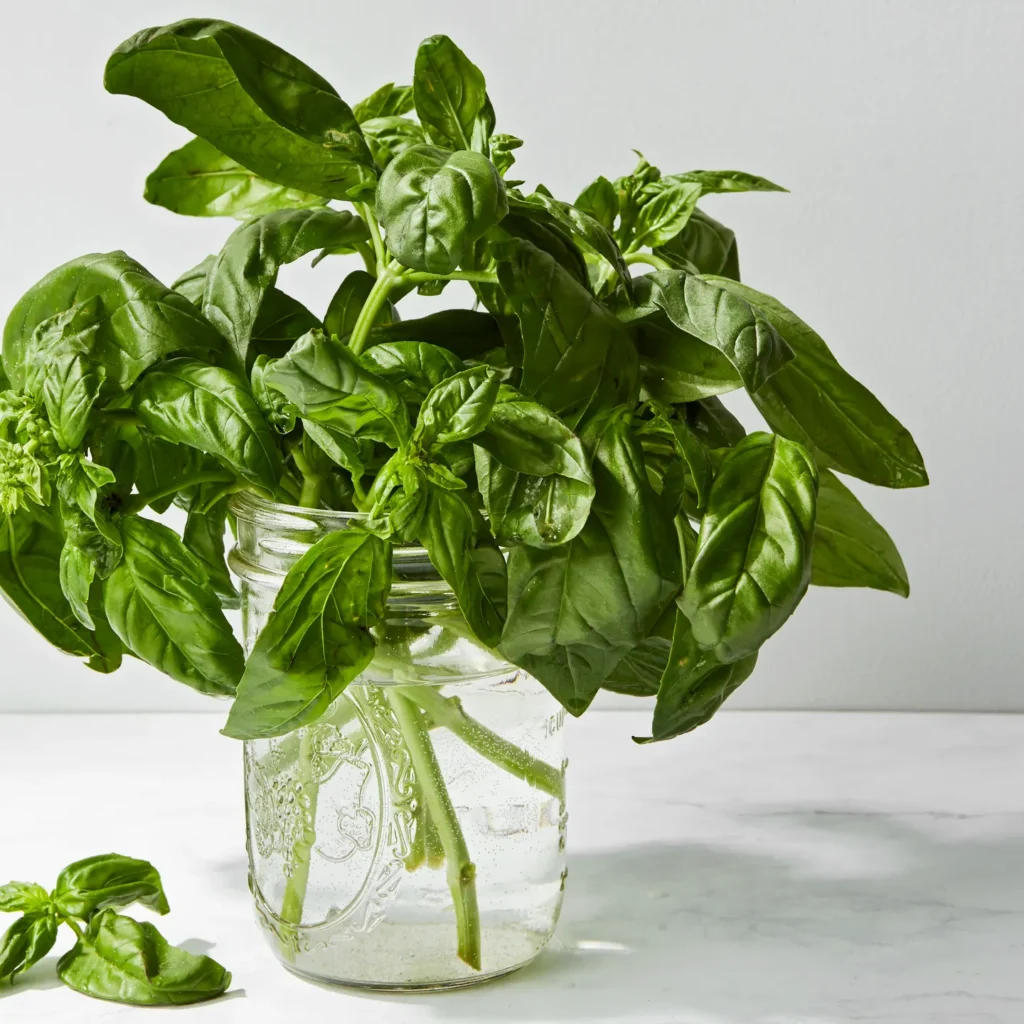
- Short-Term Storage: Place basil stems in a glass of water like cut flowers, and leave them at room temperature. Cover loosely with a plastic bag for freshness.
- Refrigeration: Basil is sensitive to cold and may turn black in the fridge. If refrigeration is necessary, wrap leaves in a slightly damp paper towel and place them in a perforated plastic bag.
- Freezing: Chop basil leaves and freeze them in ice cube trays with olive oil or water. This preserves flavor for months.
Drying Basil
- Hang stems upside down in a dry, airy spot out of direct sunlight.
- Alternatively, use a food dehydrator.
- Dried basil loses some aroma compared to fresh, but it’s still excellent for seasoning.
Common Mistakes to Avoid When Harvesting Basil
- Harvesting Too Early: Cutting before the plant is established weakens growth.
- Taking Too Many Leaves at Once: Over-harvesting stresses the plant and reduces yield.
- Allowing Flowers to Develop: This makes leaves bitter and tough.
- Cutting Too Low: Harvesting near the soil level can stunt growth or kill the plant.
- Storing Improperly: Refrigerating unprotected leaves often leads to blackened, wilted basil.
Tips to Maximize Basil Flavor
- Consistent Watering: Water basil regularly, but don’t overwater. Well-hydrated plants produce sweeter leaves.
- Adequate Sunlight: Basil thrives with 6–8 hours of direct sunlight daily.
- Fertilize Lightly: Too much fertilizer encourages leaf growth but dilutes flavor. Use balanced, organic fertilizers sparingly.
- Companion Planting: Plant basil near tomatoes and peppers—it enhances their flavor and repels pests like aphids and mosquitoes.
Using Freshly Harvested Basil
Harvesting basil is only half the joy—the other half is using it! Here are some delicious ways to enjoy your fresh harvest:
- Culinary Delights: Make pesto, caprese salad, basil butter, or fresh pasta sauces.
- Infused Oils and Vinegars: Store basil leaves in olive oil or vinegar for aromatic infusions.
- Herbal Teas: Basil tea aids digestion and relieves stress.
- Natural Remedies: Basil leaves contain antioxidants and anti-inflammatory compounds beneficial for health.
Final Thoughts
Harvesting basil the right way is both an art and a science. By pinching stems just above leaf nodes, avoiding over-harvesting, and removing flowers promptly, you’ll keep your basil plants healthy, bushy, and bursting with flavor. Timing also matters—morning harvests yield the most aromatic leaves, while proper storage ensures that flavor lasts long after picking.
With these techniques, a single basil plant can supply you with fragrant, flavorful leaves all season long. Whether you’re crafting homemade pesto, sprinkling fresh leaves on pizza, or brewing a calming tea, you’ll appreciate the difference that comes from harvesting basil the right way.

So next time you step into your garden, remember: every careful harvest not only gives you better flavor but also rewards you with a thriving, productive plant.

Leave A Comment